
What Is Loss of Rents Coverage on a Landlord Insurance Policy?


What Is Loss of Rents Coverage on a Landlord Insurance Policy?
One of the most important coverages on a landlord insurance policy is: Loss of Rents Coverage.
Many landlords focus primarily on:
property damage
rebuilding costs
liability exposure
However: after a major covered loss, landlords may also lose: rental income while repairs are being completed.
At Bergen Insurance Group, we help New Jersey landlords better understand how Loss of Rents coverage works and why it may become extremely important after a serious property claim.
What Is Loss of Rents Coverage?
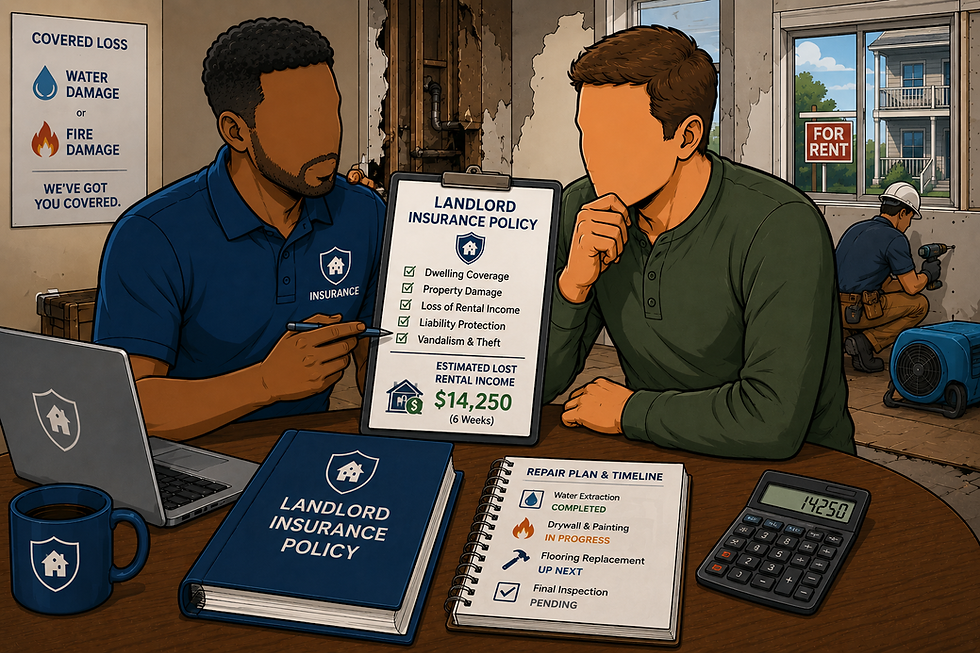
Loss of Rents coverage may help reimburse: lost rental income if a covered property loss makes the rental property temporarily: uninhabitable.
Examples of covered losses may include:
fire damage
severe water damage
storm damage
wind losses
certain structural claims
Coverage depends on:
policy wording
cause of loss
coverage limits
insurance company guidelines
Why This Coverage Matters for Landlords
Rental income is often a major part of: a landlord’s financial planning.
Even after a covered claim, landlords may still have:
mortgage payments
taxes
utilities
maintenance costs
repair expenses
while tenants may no longer be able to occupy the property.
Loss of Rents coverage may help reduce: financial interruption during the rebuilding or repair process.
When Does Loss of Rents Coverage Apply?
Loss of Rents coverage generally applies when: a covered property loss makes the rental property unsafe or uninhabitable for tenants.
For example:
a fire may force tenants to move out
major water damage may prevent occupancy
storm damage may create unsafe living conditions
However :normal vacancies, maintenance issues, or non-covered property problems are generally: not covered.
Why Coverage Limits Matter
Not all landlord policies provide the same: Loss of Rents limits.
Coverage may vary depending on:
policy form
dwelling limits
rental income exposure
endorsements
insurance company guidelines
This is one reason landlords should carefully review:
rental income exposure
occupancy type
rebuilding timelines
coverage limitations
before a major claim occurs.
Why Honesty About Occupancy Matters
Insurance companies commonly ask whether a property is:
owner-occupied
tenant-occupied
vacant
seasonal
because occupancy directly affects:
underwriting
pricing
eligibility
policy type
Failing to disclose that a property is rented to tenants may create: claim or coverage problems especially after major losses involving rental income interruption.
Why Independent Insurance Agencies Matter
Different insurance companies may:
structure Loss of Rents coverage differently
apply different coverage limits
define covered losses differently
insure rental properties differently
Independent insurance agencies can help landlords:
review rental income exposure
understand landlord policy protections
compare landlord policy options
evaluate rebuilding concerns
At Bergen Insurance Group, we help New Jersey landlords better understand their insurance protection before claims happen.
FAQs
What is Loss of Rents coverage?
Loss of Rents coverage may help reimburse lost rental income if a covered property loss makes a rental property temporarily uninhabitable.
Does Loss of Rents coverage apply during repairs?
In many situations, yes. Coverage may apply while covered damage repairs are being completed, subject to policy terms and limitations.
Does landlord insurance cover missed rent payments from tenants?
Generally no. Loss of Rents coverage is commonly tied to covered property damage losses, not tenant non-payment or eviction situations.
What types of claims may trigger Loss of Rents coverage?
Covered losses such as fire, storm damage, severe water damage, or other covered property claims that make the property uninhabitable may trigger coverage, depending on policy terms.
How long does Loss of Rents coverage last?
Loss of Rents coverage generally applies during the period reasonably required to repair or rebuild the rental property after a covered loss, subject to policy terms, coverage limits, and insurance company guidelines.
Does Loss of Rents coverage apply after water damage?
Possibly. Coverage may apply if the water damage results from a: covered cause of loss and the rental property becomes temporarily uninhabitable. Coverage depends on:
policy wording
cause of loss
exclusions
coverage limitations
Certain types of water damage, maintenance issues, flooding, or long-term leaks may not be covered.
Other Suggested Articles
Disclaimer
The information provided in this article is intended for general informational purposes only and should not be interpreted as insurance, legal, financial, or property management advice. Coverage availability, occupancy requirements, policy terms, exclusions, waiting periods, and coverage limits vary by insurance company and individual situation. Please contact Bergen Insurance Group to review your specific rental property insurance needs and coverage options.


Comments