
What Is a Landlord Insurance Policy? Why Rental Properties Need Different Insurance Coverage

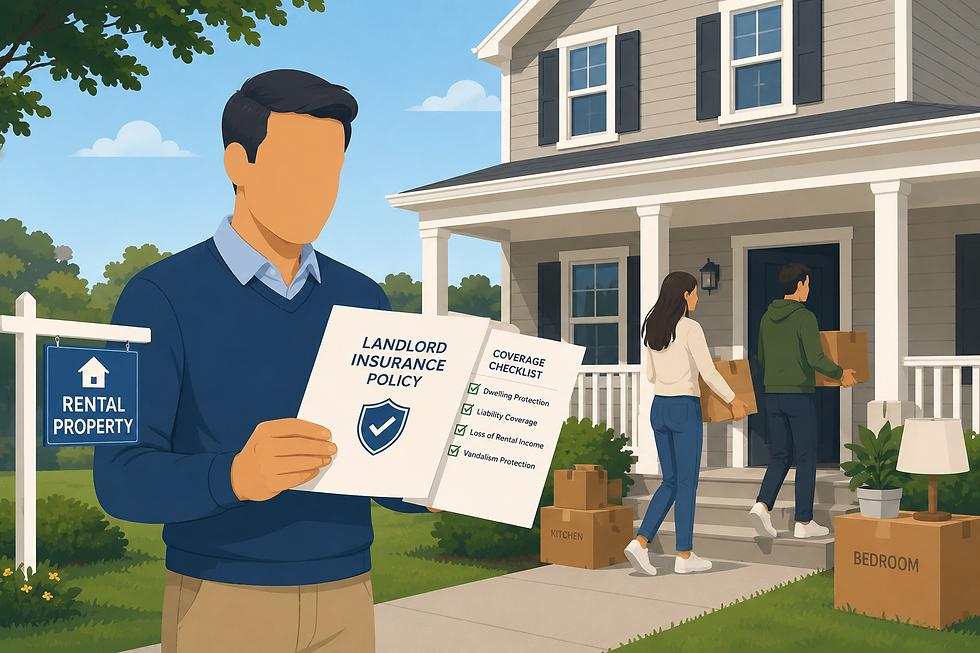
What Is a Landlord Insurance Policy? Why Rental Properties Need Different Insurance Coverage
Many property owners assume they can keep: a standard homeowners insurance policy on a property even after renting it to tenants.
However: once a property becomes: tenant-occupied, the insurance exposure changes significantly.
At Bergen Insurance Group, we help New Jersey property owners better understand:
landlord insurance policies
rental property coverages
liability exposure
dwelling protection
why honesty about occupancy is extremely important before a claim occurs.
What Is a Landlord Insurance Policy?
A landlord insurance policy is designed for: tenant-occupied properties rather than owner-occupied primary residences.
These policies are commonly written using:
DP1
DP2
DP3
policy forms depending on:
property condition
occupancy
coverage needs
insurance company guidelines
Landlord policies are designed to address exposures involving:
rental income
tenant occupancy
property liability
landlord-owned structures
property damage claims
that differ from traditional homeowners policies.
Why Can’t Landlords Keep a Standard Homeowners Policy?
Homeowners insurance policies are generally designed for: owner-occupied primary residences.
When tenants occupy the property:
liability exposure changes
claim exposure changes
occupancy exposure changes
underwriting changes
Insurance companies typically require: different policy forms for rental properties.
Failing to properly disclose tenant occupancy may create:
underwriting problems
claim issues
coverage disputes
eligibility concerns
after a loss occurs.
What Coverages Are Included on Landlord Policies?
Landlord insurance policies commonly include:
Dwelling Coverage
Other Structures Coverage
Personal Liability Coverage
Loss of Rents Coverage
Optional Personal Property Coverage
depending on the policy and insurance company.
Dwelling Coverage
Dwelling Coverage helps protect: the structure itself
including:
walls
roofing
attached structures
permanently installed fixtures
if damaged by a covered cause of loss.
Other Structures Coverage
This coverage may help protect:
detached garages
fences
sheds
certain detached structures
located on the rental property.
Loss of Rents Coverage
Loss of Rents coverage may help reimburse lost rental income if a covered loss makes the property temporarily: uninhabitable.
This may become extremely important after:
fires
severe water damage
storm losses
major property claims
that prevent tenants from occupying the property.
Personal Liability Coverage
Landlord policies commonly include: liability protection if the property owner becomes legally responsible for:
bodily injury
property damage
certain tenant-related claims
subject to policy terms and limits.

Are Tenant Belongings Covered?
Generally: no.
Landlord insurance policies typically do NOT cover:
tenant furniture
tenant clothing
tenant electronics
tenant personal belongings
Tenants typically need: renters insurance to protect their own personal property and liability exposure.
Why Honesty About Occupancy Matters
One of the biggest mistakes property owners make is: failing to disclose that a property is tenant-occupied.
Insurance companies commonly ask whether the property is:
owner-occupied
tenant-occupied
vacant
seasonal
secondary
because occupancy directly affects:
underwriting
pricing
eligibility
policy type
Providing inaccurate occupancy information may create:
claim complications
underwriting concerns
policy cancellation issues
coverage disputes
especially after major losses.
Why Landlord Policies Are Different Than Homeowners Policies
Rental properties create different risks involving:
tenant liability
maintenance exposure
rental income
occupancy turnover
property management
claim frequency
This is why landlord policies are specifically designed for: rental property exposure, not owner-occupied living situations.
Why Independent Insurance Agencies Matter
Different insurance companies may:
structure landlord policies differently
offer different dwelling settlement methods
apply different underwriting standards
insure rental properties differently
handle liability exposure differently
Independent insurance agencies can help landlords:
review rental property exposure
understand occupancy requirements
compare landlord policy options
evaluate dwelling coverage
review liability protection
At Bergen Insurance Group, we help New Jersey landlords better understand their insurance protection before claims happen.
FAQs
What is a landlord insurance policy?
A landlord insurance policy is designed for tenant-occupied rental properties and may provide dwelling coverage, liability protection, loss of rents coverage, and other rental property protections.
Can I keep homeowners insurance on a rental property?
Generally, insurance companies require different policy forms for tenant-occupied properties because rental exposure differs from owner-occupied homes.
Does landlord insurance cover tenant belongings?
Typically no. Tenant personal property is generally not covered under landlord insurance policies. Tenants commonly need renters insurance for their belongings.
What is Loss of Rents coverage?
Loss of Rents coverage may help reimburse lost rental income if a covered loss makes the rental property temporarily uninhabitable.
Why does occupancy matter on insurance policies?
Occupancy affects underwriting, pricing, eligibility, and coverage exposure. Failing to accurately disclose tenant occupancy may create serious coverage or claim issues after a loss.
Does landlord insurance cover tenant damage?
Possibly. Coverage depends on the type of damage, the cause of loss, policy wording, and the insurance company. Certain sudden and accidental damage caused by tenants may be covered in some situations, while intentional damage, neglect, maintenance issues, or normal wear and tear are commonly excluded.
Can I live in a home insured with a landlord policy?
Generally, landlord policies are designed for: tenant-occupied properties, not owner-occupied primary residences. Occupancy type is extremely important because insurance companies underwrite owner-occupied and rental properties differently. Property owners should always accurately disclose whether the home is:
owner-occupied
tenant-occupied
vacant
seasonal
to avoid potential underwriting or claim issues later.
Other Suggested Articles
Disclaimer
The information provided in this article is intended for general informational purposes only and should not be interpreted as insurance, legal, financial, or property management advice. Coverage availability, occupancy requirements, underwriting guidelines, policy forms, exclusions, and settlement methods vary by insurance company and individual situation. Please contact Bergen Insurance Group to review your specific rental property insurance needs and coverage options.


Comments