
What Is Comprehensive Coverage on Auto Insurance?

Many drivers hear the term: “full coverage” when discussing auto insurance.
However, one of the most important parts of a “full coverage” auto insurance policy is actually:
Comprehensive Coverage.
Comprehensive coverage helps protect your vehicle from many types of non-collision losses such as:
theft
vandalism
fire
hail
flooding
falling trees
animal strikes
storm damage
At Bergen Insurance Group, we help New Jersey drivers better understand how comprehensive coverage works, what it covers, common exclusions, deductibles, and why this coverage can become extremely valuable after unexpected losses.
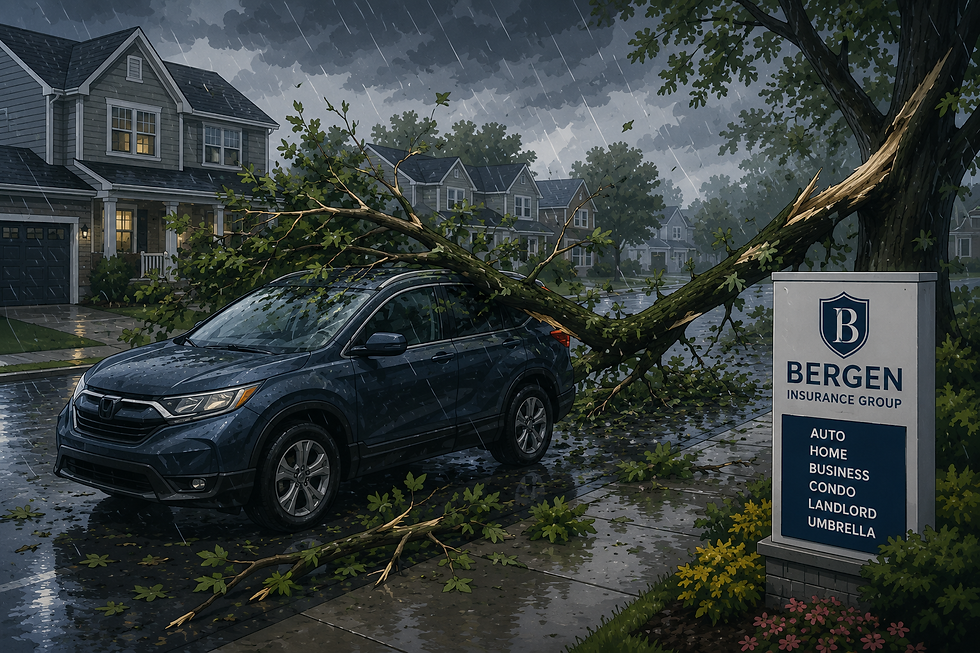
What Is Comprehensive Coverage?
Comprehensive coverage helps pay to repair or replace your vehicle after certain: non-collision losses.
Unlike collision coverage, comprehensive coverage generally applies to events that do not involve your vehicle striking another vehicle or object while driving.
Comprehensive coverage is often optional unless:
your vehicle is financed
or
leased.
Lenders and leasing companies commonly require comprehensive coverage to help protect the vehicle.
What Does Comprehensive Coverage Cover?
Comprehensive coverage may help cover losses involving:
theft
vandalism
fire
hail
flooding
falling trees
falling objects
windstorms
hurricanes
animal collisions
broken glass
riots
explosions
Coverage applies subject to:
policy terms
deductibles
exclusions
claim limits
Common Examples of Comprehensive Claims
Examples of comprehensive claims may include:
a tree falling onto your parked vehicle
hail damaging your hood and roof
your vehicle being stolen
vandalism or keyed paint damage
hitting a deer
flood damage from severe storms
windshield damage from road debris
fire damage
Many drivers are surprised to learn that:
deer accidents are typically considered: comprehensive claims —not collision claims.

What Is NOT Covered by Comprehensive Coverage?
Comprehensive coverage generally does NOT cover:
collision accidents
damage from hitting another vehicle
mechanical breakdowns
engine failure
wear and tear
rust
maintenance issues
tire wear
intentional damage
racing-related losses
For example:
if you slide into another vehicle during a snowstorm, that would generally fall under:
collision coverage —not comprehensive.
Comprehensive vs Collision Coverage
Many drivers confuse:
comprehensive coverage
and
collision coverage.
Comprehensive Coverage
Generally applies to:
theft
vandalism
weather damage
animal strikes
falling objects
non-collision losses
Collision Coverage
Generally applies to:
hitting another vehicle
striking objects
rollovers
accident-related driving losses
Both coverages are often purchased together as part of: “full coverage.”
Understanding Comprehensive Deductible
Comprehensive coverage is usually subject to a: deductible.
A deductible is the amount you pay out of pocket before insurance coverage applies.
Common comprehensive deductibles include:
$100
$250
$500
$1,000
For example: if storm damage causes:
$4,000 in repairs
and
your deductible is $500
the insurance company may pay approximately: $3,500 subject to policy terms and claim handling.

Why Comprehensive Coverage Matters in New Jersey
New Jersey drivers face many risks that may trigger comprehensive claims, including:
severe storms
hurricanes
flooding
hail
falling trees
vehicle theft
vandalism
deer collisions
Storm-related vehicle claims have become increasingly common in recent years.
Many New Jersey neighborhoods also contain:
mature trees
heavy traffic
dense parking areas
which can increase exposure to comprehensive losses.
Is Comprehensive Coverage Worth It?
In many situations: yes.
Without comprehensive coverage, drivers may become fully responsible for repair or replacement costs after:
theft
storms
vandalism
flood damage
fire losses
For newer or higher-value vehicles, comprehensive coverage is often extremely important.
However, for older vehicles with lower values, drivers sometimes choose to evaluate:
vehicle value
deductible levels
replacement costs
premium savings
before deciding whether to maintain comprehensive coverage.
What Happens If Your Vehicle Is Stolen?
If a stolen vehicle is not recovered, comprehensive coverage may help pay: the actual cash value (ACV) of the vehicle, subject to:
deductibles
policy terms
claim settlement procedures
Actual Cash Value generally considers:
depreciation
age
condition
mileage
market value
Comprehensive coverage does not usually pay: replacement cost for auto claims unless special endorsements apply.

Does Comprehensive Coverage Cover Windshield Damage?
In many situations: yes.
Comprehensive coverage commonly applies to:
cracked windshields
chipped glass
falling object damage
road debris damage
Some insurance companies may offer:
separate glass deductibles
full glass endorsements
lower deductible options
Coverage varies by carrier and policy.
Does Comprehensive Coverage Cover Flood Damage?
In many situations: yes.
Flooding from:
hurricanes
heavy rain
flash floods
rising water
is commonly handled under comprehensive coverage.
This can become especially important in flood-prone areas of New Jersey.
However:driving into standing flood water intentionally may create claim complications depending on the circumstances.
Comprehensive Claims May Still Affect Insurance
Many drivers assume comprehensive claims are: “not their fault.”
While that may often be true, comprehensive claims may still:
appear on claim history reports
affect underwriting reviews
influence future pricing
depending on:
carrier guidelines
claim frequency
loss history
Examples may include:
multiple glass claims
repeated theft claims
frequent vandalism losses
This is one reason drivers should understand how claims may affect long-term insurability.
Why Cheap Insurance Is Not Always Better
Many lower-cost policies may:
carry higher deductibles
reduce optional endorsements
limit glass coverage options
provide less financial flexibility after losses
Insurance should not only help drivers: “stay legal.”
It should also help protect them financially after unexpected losses.
Why Independent Insurance Agencies Matter
Different insurance companies may offer:
different comprehensive deductibles
different glass options
different endorsements
different theft claim handling
different pricing structures
Independent insurance agencies can help drivers:
compare coverage options
review deductibles
identify coverage gaps
understand claim implications
At Bergen Insurance Group, we help New Jersey drivers better understand their auto insurance protection before claims happen.
FAQs
What is comprehensive coverage on auto insurance?
Comprehensive coverage helps pay for non-collision losses such as theft, vandalism, storms, falling trees, flood damage, fire, and animal strikes
.
Is hitting a deer considered comprehensive or collision?
Animal strikes, including deer accidents, are typically handled as comprehensive claims.
Does comprehensive coverage cover flood damage?
In many situations, yes. Flood damage from storms or rising water is commonly handled under comprehensive coverage.
Does comprehensive coverage cover windshield damage?
Comprehensive coverage often applies to windshield and glass damage, subject to deductibles and policy terms.
Is comprehensive coverage required in New Jersey?
Comprehensive coverage is usually optional unless your vehicle is financed or leased.
Other Suggested Articles
Disclaimer
The information provided in this article is intended for general informational purposes only and should not be interpreted as insurance, legal, or financial advice. Coverage availability, deductibles, claim handling practices, exclusions, policy terms, and eligibility requirements vary by insurance company and individual situation. Please contact Bergen Insurance Group to review your specific insurance coverage needs and protection options.


Comments