
Why Landlords Should Consider Umbrella Insurance
Bergen Insurance Group | Personal Umbrella Insurance Education
Owning rental properties comes with many rewards, but it also carries risks that can quickly become costly. One unexpected accident or lawsuit could threaten your financial stability. That is why umbrella insurance has become an essential safety net for landlords. This type of insurance offers extra protection beyond standard policies, helping landlords safeguard their assets and peace of mind.

What Is Umbrella Insurance?
Umbrella insurance is a liability policy that provides additional coverage beyond the limits of your existing insurance policies, such as homeowners or landlord insurance. It kicks in when the costs of a claim exceed your primary policy limits. For landlords, this means protection against large claims related to injuries, property damage, or lawsuits that could otherwise drain your finances.
For example, if a tenant or visitor suffers a serious injury on your property and sues for damages exceeding your landlord insurance coverage, umbrella insurance can cover the difference. This extra layer of protection can cover legal fees, medical expenses, and settlement costs.
Why Standard Landlord Insurance May Not Be Enough
Typical landlord insurance policies cover property damage, loss of rental income, and some liability claims. However, these policies have limits that might not cover severe incidents. Lawsuits involving injuries or property damage can quickly surpass those limits, leaving landlords responsible for the remaining costs.
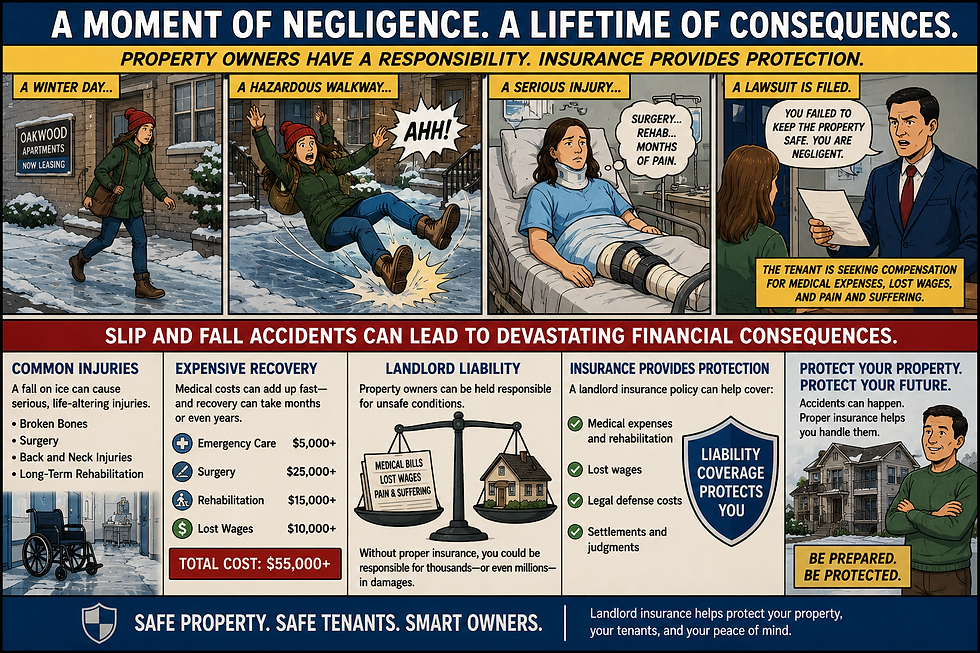
Consider a scenario where a tenant slips on an icy walkway and suffers a broken leg. If the medical bills and legal fees exceed your landlord insurance liability limit, you could face out-of-pocket expenses running into hundreds of thousands of dollars. Umbrella insurance helps prevent this financial exposure.
Key Benefits of Umbrella Insurance for Landlords
Extended Liability Coverage
Umbrella insurance increases your liability limits, often by $1 million or more, providing a financial buffer against large claims.
Covers Legal Costs
Lawsuits can be expensive even if you are not at fault. Umbrella insurance covers legal defense fees, which can add up quickly.
Protects Personal Assets
If a claim exceeds your insurance limits, your personal savings, investments, or other properties could be at risk. Umbrella insurance helps protect these assets.
Covers Additional Risks
Some umbrella policies cover claims not included in your primary insurance, such as libel, slander, or false arrest related to your rental business.
Real-Life Example of Umbrella Insurance in Action
Example 1: Slip-and-Fall Injury Lawsuit
A tenant slips on an icy walkway outside a rental property and suffers serious injuries requiring surgery and rehabilitation.
The tenant later files a lawsuit alleging negligent maintenance by the landlord.
Medical costs, legal defense expenses, and settlement negotiations eventually exceed the landlord policy’s liability limits.
Depending on the policy structure, a personal umbrella policy may help provide additional liability protection above the underlying landlord insurance policy.
Example 2: Water Damage Affecting Neighboring Units
A plumbing failure inside a rental condo unit causes significant water damage to neighboring units and shared condominium property.
The condominium association and neighboring unit owners seek reimbursement for portions of the damages.
Claims involving:
property damage
liability allegations
shared-building exposure
may sometimes become substantial in multi-unit properties.
Example 3: Dog Bite Claim at Rental Property
A tenant’s dog bites a guest visiting the rental property, resulting in a lawsuit involving both the tenant and property owner.
Depending on the circumstances and liability findings, landlords may sometimes become involved in legal claims alleging unsafe property conditions or negligence.
Large dog bite claims involving serious injuries may sometimes exceed standard landlord liability limits.
How to Choose the Right Umbrella Insurance Policy
When selecting umbrella insurance, landlords should consider:
Coverage Limits
Most policies start at $1 million in coverage. Evaluate your risk exposure and choose a limit that protects your assets adequately.
Underlying Policy Requirements
Insurers often require you to have certain minimum coverage on your primary policies before issuing umbrella insurance.
Policy Exclusions
Understand what is not covered, such as intentional damage or certain business activities, to avoid surprises.
Cost vs. Benefit
Umbrella insurance is generally affordable compared to the protection it offers. Premiums vary based on coverage limits and risk factors.
Practical Tips for Landlords to Reduce Liability Risks
While umbrella insurance provides a safety net, landlords can also reduce risks by:
Regularly inspecting and maintaining rental properties to prevent accidents.
Promptly addressing tenant complaints about safety hazards.
Clearly outlining tenant responsibilities in lease agreements.
Keeping detailed records of property maintenance and communications.
Screening tenants carefully to reduce the chance of problematic situations.
These steps can lower the likelihood of claims and help keep insurance costs manageable.
Why Independent Insurance Advice Matters
Different insurance companies may:
structure landlord liability coverage differently
apply different exclusions
handle umbrella eligibility differently
require different underlying liability limits
treat multi-family or rental condo exposure differently
Independent insurance agencies can help landlords:
review liability exposure
evaluate landlord liability limits
compare umbrella insurance options
understand potential coverage gaps
At Bergen Insurance Group, we help New Jersey landlords better understand their liability protection before major claims happen.
FAQs
Why do landlords consider umbrella insurance?
Landlords may consider umbrella insurance because serious liability claims involving tenants, guests, or property conditions may sometimes exceed standard landlord insurance liability limits.
Does umbrella insurance cover rental property lawsuits?
Possibly. Personal umbrella insurance may help provide additional liability protection above underlying landlord insurance policies depending on the policy structure and covered claim involved.
Can landlords be sued after tenant injuries?
Yes. Tenant injuries involving slips, falls, unsafe conditions, or alleged negligence may sometimes result in lawsuits against rental property owners.
Does umbrella insurance cover rental condos?
Possibly. Coverage depends on:
the policy structure
underlying insurance
property classification
liability findings
insurance company guidelines
Other Suggested Articles
Disclaimer
The information provided in this article is intended for general informational purposes only and should not be interpreted as insurance, legal, financial, landlord, or real estate advice. Coverage availability, exclusions, liability limits, umbrella eligibility, and policy structures vary by insurance company and individual situation. Please contact Bergen Insurance Group to review your specific landlord insurance and umbrella liability coverage needs.


Comments